
Viral Hepatitis: Epidemiology, Transmission and Prevention
Introduction
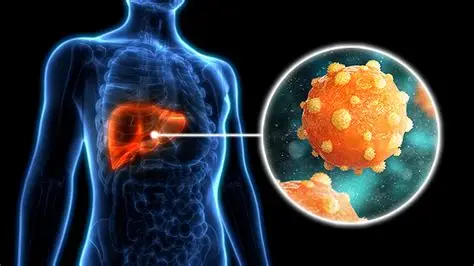
Viral hepatitis remains a major public health problem, although it receives less attention than HIV, malaria or tuberculosis. According to the WHO Global Hepatitis Report 2026:
- 287 million people were living with chronic hepatitis B or C in 2024;
- these infections caused 1.34 million deaths that year, about 1.1 million of them attributable to hepatitis B;
- the WHO African Region accounted for 68% of new hepatitis B virus infections;
- the birth dose of hepatitis B vaccine reached only 17% of newborns in that region.
Most infected people are unaware of their status.
Classification and routes of transmission
Hepatitis refers to inflammation of the liver. Five main hepatotropic viruses have been identified, designated by the letters A to E. They differ in structure, route of transmission and clinical course.
Hepatitis A virus (HAV)
Transmission is faecal-oral, through contaminated water or food and via the hands. Oral-anal contact is also a route of transmission. The infection is usually acute and self-limiting; it does not become chronic.
Hepatitis B virus (HBV)
Transmission is parenteral, sexual and vertical:
- mother-to-child transmission, mainly at delivery;
- unprotected sexual intercourse;
- blood exposure: reused injection equipment, unsterilised instruments used for scarification, tattooing, piercing or circumcision;
- sharing items that may carry traces of blood, such as razors and toothbrushes;
- horizontal transmission between children within households, through skin lesions.
Hepatitis C virus (HCV)
Transmission is mainly parenteral: injections with reused equipment, unscreened transfusions, dental care or traditional procedures without sterilisation. Sexual transmission is possible but uncommon, except where there is exposure to blood.
Hepatitis D virus (HDV)
HDV is a defective virus that can only replicate in the presence of HBV, as a co-infection or superinfection. It worsens the course of hepatitis B. Vaccination against HBV therefore also protects indirectly against HDV.
Hepatitis E virus (HEV)
Transmission is mainly waterborne, through contaminated drinking water. Outbreaks occur in camps for displaced people and after floods. Infection is particularly severe in pregnant women.
Is hepatitis transmitted by kissing?
This question is frequently asked, particularly about deep kissing. The available evidence indicates that kissing is not a recognised route of HBV transmission.
HBV can be detected in saliva at low concentrations. The CDC states that it is not spread through kissing, sharing utensils, breastfeeding, coughing or casual contact. According to Immunize.org, saliva has not been associated with transmission unless biting has occurred.
HBV transmission depends essentially on exposure to blood and genital secretions. A theoretical, very low risk cannot be ruled out only when both partners have bleeding oral lesions.
Kissing is not a known route of HCV transmission either. HAV and HEV enter through the mouth, but from water, food or hands contaminated with faecal matter, not from saliva.
None of this justifies the social exclusion of people living with viral hepatitis.
Natural history of hepatitis B
Silent progression. Chronic infection remains asymptomatic for a long time. Clinical signs (jaundice, dark urine, ascites, marked fatigue) often appear only at an advanced stage of liver damage.
Age-dependent chronicity. The earlier the infection occurs, the higher the risk of chronicity. Most adults clear the virus, whereas neonatal infection very often becomes chronic. Mother-to-child transmission thus sustains endemicity from one generation to the next.
Complications. Chronic infection can progress to cirrhosis and then to hepatocellular carcinoma, which often affects young adults in highly endemic areas.
Limited access to treatment. According to WHO, fewer than 5% of people living with chronic hepatitis B were receiving treatment in 2024. Available antivirals do not always eradicate the virus, but they suppress replication and reduce the risk of complications.
For hepatitis C, an 8- to 12-week antiviral course cures more than 95% of infections, according to WHO, provided the infection has been diagnosed.
Prevention
- Vaccinating all newborns against HBV, with a first dose within 24 hours of birth, followed by the doses of the routine schedule.
- Routine HBV screening during pregnancy, so that prevention of mother-to-child transmission can be put in place.
- Vaccinating non-immune adults, with priority for health workers and the household contacts of infected people.
- Using condoms with any partner of unknown status.
- Using only sterile equipment for any invasive procedure, including traditional and cosmetic practices; not sharing razors or toothbrushes.
For HAV and HEV: drinking treated or boiled water, and washing hands with soap.
Conclusion
Hepatitis B is preventable and controllable. A blood test allows diagnosis, an effective vaccine has existed for decades and treatments are available. Scaling up testing and birth-dose vaccination is the main lever for reducing its impact.
ASPIRE Public Health Hub. Science communication article; it does not replace medical advice.