NIGERIA BATTLES MASSIVE CHOLERA SURGE AMID CROSS-BORDER TRANSMISSION RISKS IN WEST AFRICA
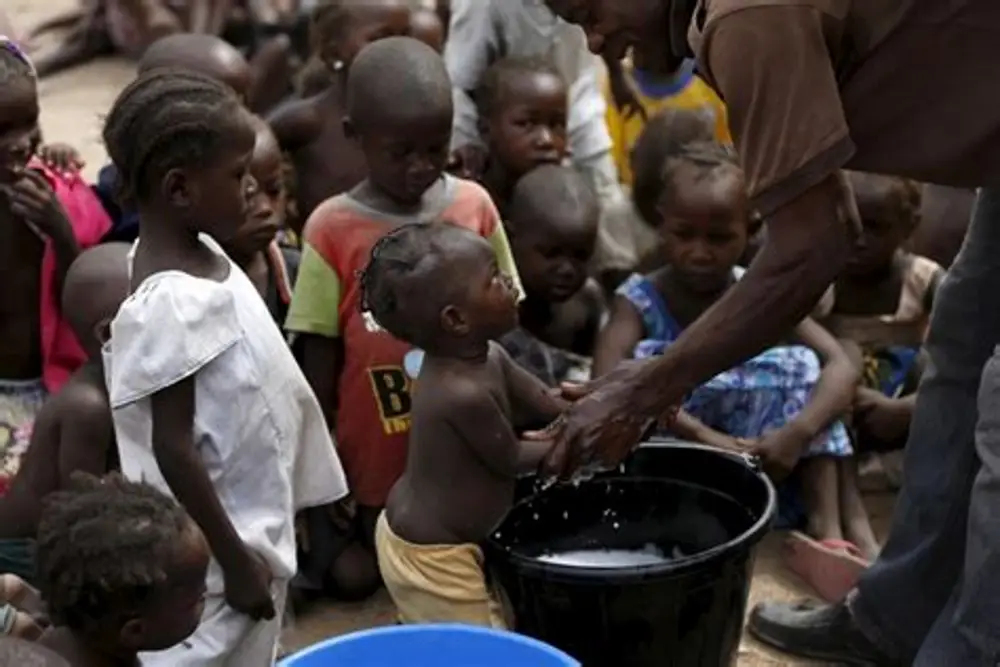
While Central Africa faces overlapping public health emergencies, Nigeria is confronting one of the most severe cholera surges on the continent. Fueled by seasonal flooding, rapid urban density, and damaged sanitation infrastructure, the bacterial disease is spreading rapidly across multiple states, triggering emergency responses from health authorities and international agencies.
From the northeastern State of Borno—the primary epicenter of the current wave—to commercial and population hubs like Kano, health workers are fighting to contain community-level transmission.
Borno State at the Center of the Storm
The epidemiological situation remains particularly critical in Borno State, where overcrowded displaced persons camps and urban centers like Maiduguri have recorded thousands of suspected cases.
Key factors driving the outbreak include:
- Infrastructure Deficits: Conflict and seasonal rain severe damage to water points have contaminated local water supplies, allowing Vibrio cholerae O1 Ogawa to spread rapidly.
- High Population Mobility: Ongoing displacement in the Lake Chad Basin creates ideal conditions for continuous cross-border transmission between Nigeria, Chad, and Cameroon.
- Strain on Care Facilities: Local health centers face intense pressure to manage severe dehydration cases while maintaining infection control.
Regional Escalation and Global Vaccine Shortages
The crisis extends beyond northeastern Nigeria. States across the northern belt, including Kano, have reported hundreds of suspected cases alongside other infectious disease outbreaks, reflecting systemic vulnerabilities in water, sanitation, and hygiene (WASH) infrastructure.
Efforts to control the surge are further complicated by global supply constraints:
- Oral Cholera Vaccine (OCV) Scarcity: While emergency vaccination drives have reached millions, global shortages of OCV limit the scope of preventive campaigns.
- Resource Gaps: Field teams rely heavily on Case-Area Targeted Interventions (CATI) and rapid water chlorination, but critical funding and logistical gaps persist.
“High population density combined with compromised water sources means cholera can spread in hours. Without sustained WASH interventions and continuous supply lines, containment becomes an uphill battle.” — A public health official in West Africa.
Priority Measures for Containment
To curb mortality and halt further spread across West Africa, international humanitarian partners and the Nigeria Centre for Disease Control (NCDC) are prioritizing three key actions:
- Expanding Clean Water Access: Chlorination of thousands of public water points and distribution of household water purification tablets.
- Decentralized Treatment Centers: Setting up rapid rehydration points in high-risk local government areas to treat severe dehydration early.
- Cross-Border Surveillance: Strengthening epidemiological tracking along major transit corridors to prevent transboundary outbreaks.